
What to Do in Case of Engine Failure: Repair or Replacement?
A blown engine is one of the most serious mechanical problems a driver can face. When an engine suffers a major internal failure, the consequences are often costly, and deciding whether to repair or replace it can quickly become complicated. However, engine failure does not automatically mean the vehicle is destined for the scrapyard.
Understanding the causes, recognizing the warning signs, and evaluating the available options can help you make a rational decision instead of an emotional one.
What Is an Engine Failure?
An engine failure occurs when a critical internal component breaks or suffers severe damage. This may involve:
- A connecting rod failure
- A damaged piston
- A seized crankshaft
- A broken timing belt
- A severely damaged head gasket
In some cases, internal components collide at high speed, causing extensive damage to the engine block.
The Most Common Causes
A broken timing belt is one of the leading causes of engine failure. When synchronization between the pistons and valves is lost, internal impacts can occur instantly and cause severe damage.
Lack of lubrication is another major factor. Low engine oil levels increase friction between moving parts. Over time, this can lead to overheating and internal seizure. Regularly checking your engine oil level is a simple but essential preventive measure. You should also monitor the warning lights on your dashboard.
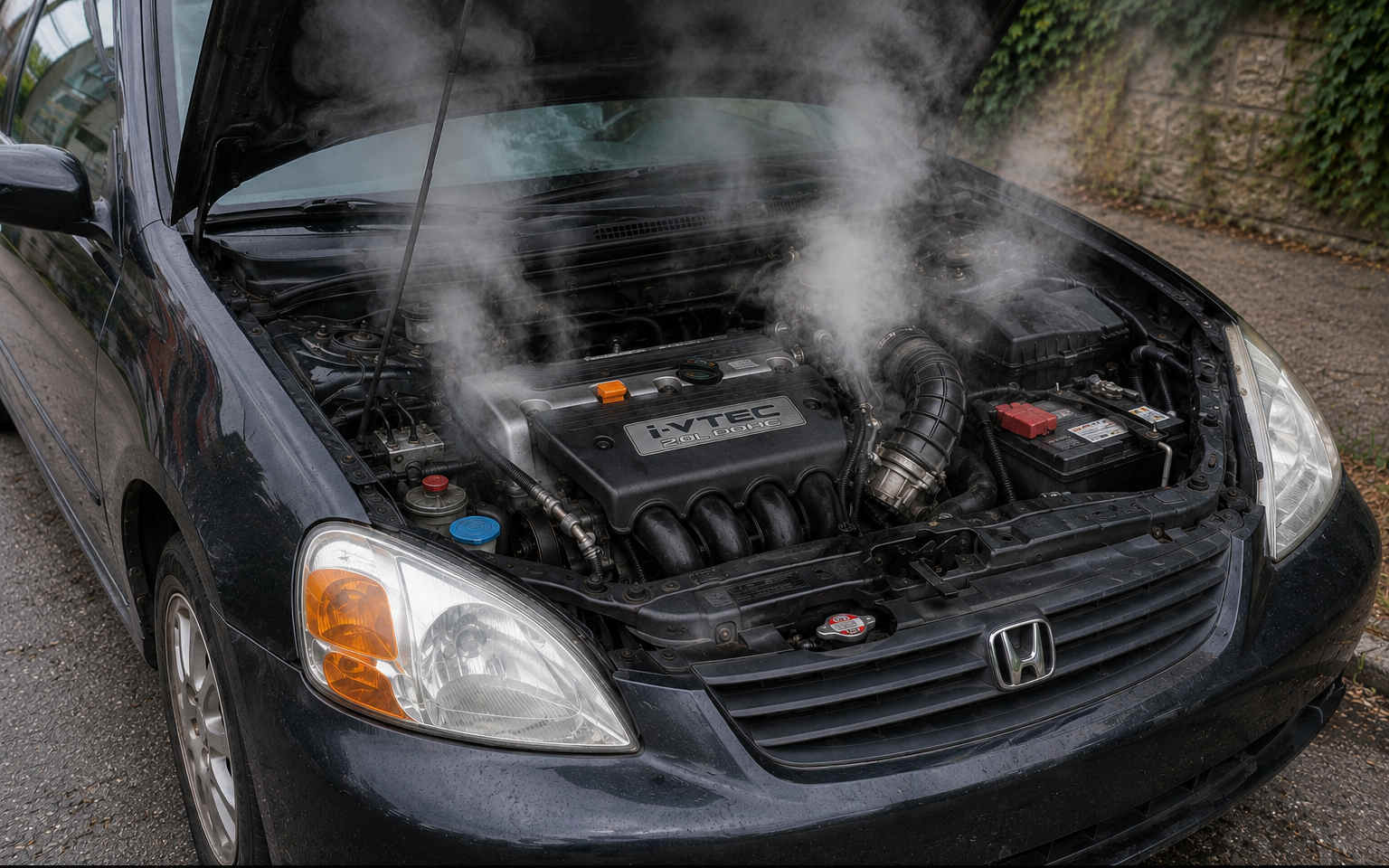
Overheating is also responsible for many cases of car engine failure. A defective water pump or clogged radiator can cause excessive heat buildup, warp the cylinder head, and compromise the engine’s integrity.
Prevention is essential to avoid problems: lack of maintenance remains one of the main reasons behind engine failure.
Warning Signs Before an Engine Failure
An engine failure rarely happens without warning. Certain symptoms should prompt you to seek professional inspection quickly:
- Persistent metallic knocking sounds
- Engine knocking coming from the lower engine
- Blue or white smoke from the exhaust
- Noticeable loss of power
- Excessive oil consumption
- Check engine light staying on continuously
- Engine overheating
Ignoring these warning signs can lead to irreversible damage that is far more expensive than a preventive visit to the garage.
Repair or Replacement: How to Choose?
The decision mainly depends on the extent of the damage and the vehicle’s value.
Repair May Be an Option When:
- The damage is localized (ex. head gasket)
- The engine block is still intact
- The vehicle retains good resale value
A partial rebuild may include valve replacement, cylinder head repair, or restoration of certain internal components.
Replacement Becomes Preferable When:
- The engine block is cracked
- Several internal components are destroyed
- Repair costs approach the value of the vehicle
In these situations, installing a rebuilt or certified engine may provide a more durable solution, although replacing the vehicle may also need to be considered.
How Much Does an Engine Failure Cost?
Costs vary depending on the severity of the damage and the type of vehicle.
| Type of Repair | Estimated Price Range |
|---|---|
| Partial repair (head gasket, cylinder head) | $2,000 – $4,500 |
| Major engine rebuild | $4,000 – $7,000 |
| Rebuilt engine replacement | $5,000 – $10,000+ |
| Brand-new engine replacement | Can exceed $12,000 |
These amounts generally include parts and labor, but every situation is unique.
Can Engine Failure Be Prevented?
In many cases, yes. Preventive maintenance significantly reduces the risk.
Regular engine maintenance helps identify mechanical issues before they become severe problems.
Adopting habits that help extend engine life also contributes to preventing major failures.
Preventive measures include:
- Following oil change intervals
- Replacing the timing belt at the recommended time
- Checking fluid levels regularly
- Never ignoring unusual noises
Never let an engine problem linger: most engine failures are linked to insufficient maintenance or neglected issues that were ignored for too long.
What Should You Do Immediately If You Suspect an Engine Problem?
If you hear a loud mechanical noise or the engine suddenly shuts down:
- Pull over safely as soon as possible.
- Turn off the engine.
- Do not attempt to restart it.
- Have the vehicle towed for a professional diagnosis.
Continuing to drive could worsen internal engine damage.
In Summary…
An engine failure is a serious situation, but the decision between repair and replacement depends on several factors: the type of damage, the age of the vehicle, and your available budget.
In some cases, a targeted repair is enough to restore the engine. In others, a complete replacement is the safest and most cost-effective long-term solution.
For an accurate diagnosis and a complete evaluation of your automotive repair options, it is recommended to consult a specialized repair shop capable of thoroughly assessing the condition of your engine and recommending the most appropriate solution.
In Montreal’s West Island, the team at Trans-Mico Automotive can assist you through this process and help you make the best decision for your vehicle.
Sources
- ID Garages. Engine Failure: Identifying Causes and Solutions.
- Vroomly. How to Prevent Engine Failure?